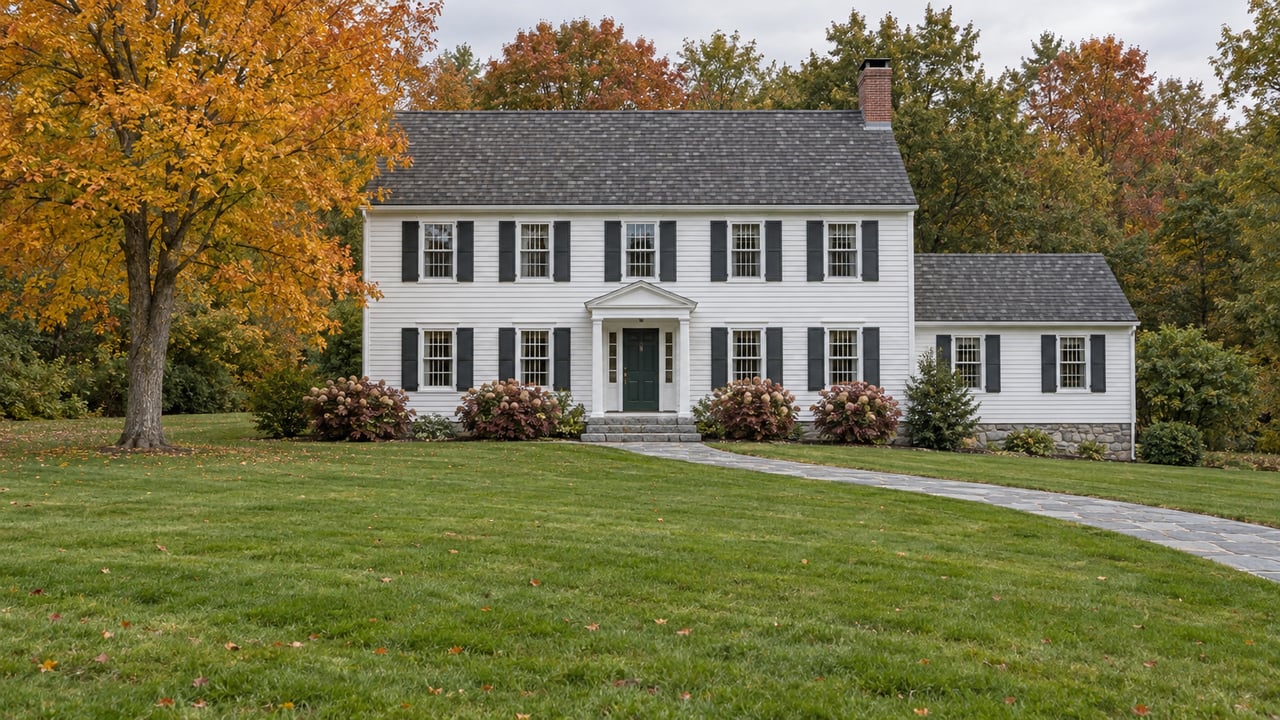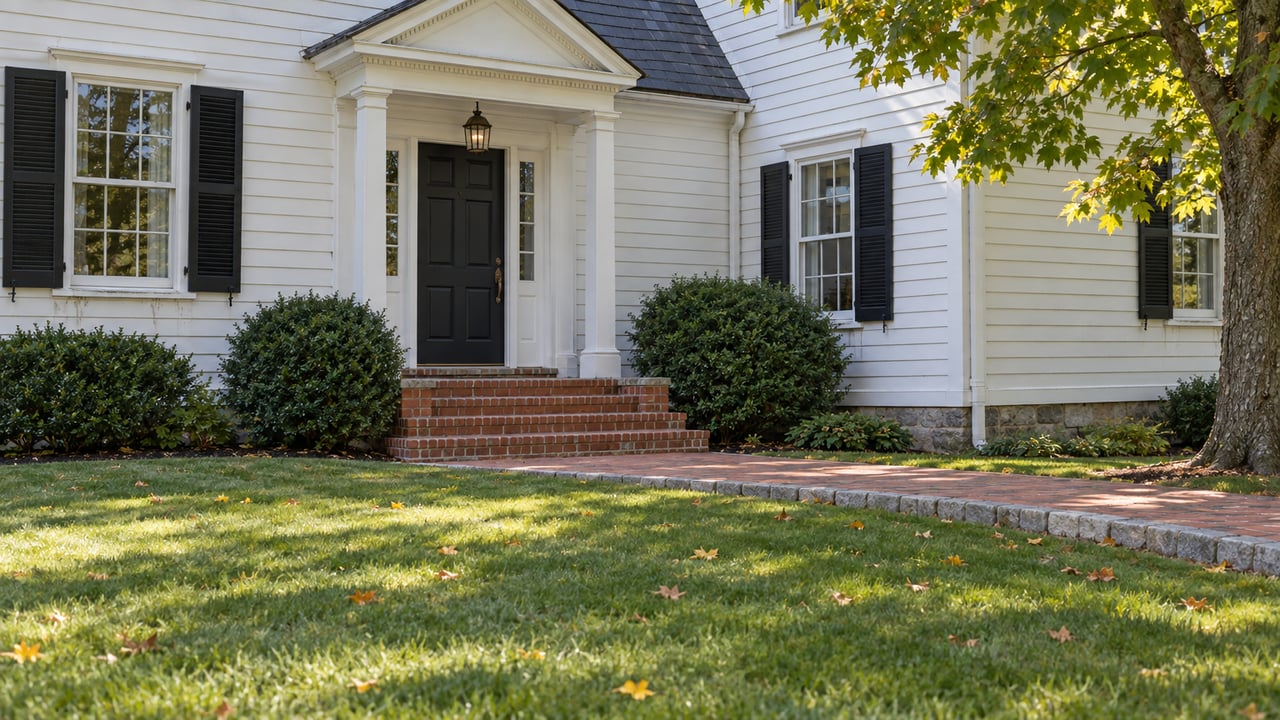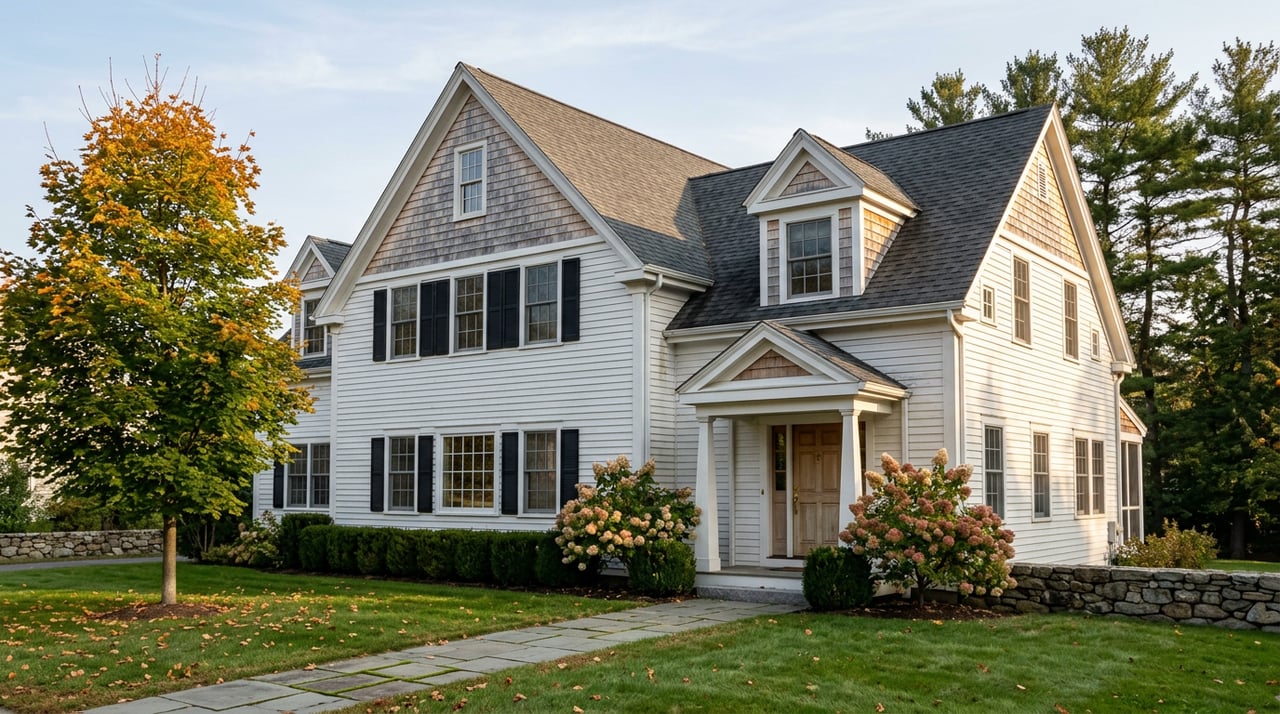
Walk past 30 Ash Street on a Wednesday afternoon and you will likely see kids filing in with sketchbooks, or a plein air class packing up easels from the lawn. If you have lived in Hollis long enough, you might remember when this same house ran under a different name. What most people driving past do not realize is that the building has never actually stopped being a working art studio. Only the people running it have changed, once, in 2022, and even then the handoff kept most of the same hands in the room.
That continuity is the real story here, and it says something about how a small town keeps a creative space alive that no single business name could claim on its own.
The Studio That Didn't Really Close
For ten years, the house at 30 Ash Street operated as Wild Salamander Creative Arts Center. When it closed, the address could easily have gone quiet, or been converted into something with no relationship to its past. Instead, two of the people who had spent years teaching inside those walls decided to keep the lights on themselves.
Anna Birch and Chris Volpe had both taught at Wild Salamander since 2012. In 2022 they opened Hollis Artspace in the same building, picking up where the previous studio left off rather than starting from a blank floor plan. Birch had built a decade of experience in paper arts, printmaking, and fiber arts through her time there. Volpe brought his oil painting studio over from Lowell, Massachusetts, and now writes about art for Art New England magazine alongside running a daily newsletter for the trade. Neither of them was new to Ash Street. They were the continuity plan.
For Birch, the connection runs even further back than her teaching years. The house at 30 Ash Street belonged to her childhood best friend's family growing up, and she first visited it as a six week old baby. When an art center opened there in 2012, she did not need convincing to get involved. Fourteen years later, she owns the place.
What Anna Birch Says About Picking Up Where It Left Off
In a report by Hollis Brookline News, Birch described what continuing the tradition means in practice:
"We've had a busy winter session, but with lighter hours and clearer roadways soon on the horizon, people seem ready to try something new, and create with others in community."
That is not marketing language written for a press release. It puts the emphasis on the experience Birch hopes visitors will find at the studio.
The Fall Session, Starting Now
If you have been meaning to try a class, this week is the actual window. Fall classes resumed September 14, with the current session running from mid-September through the end of October. The lineup is not a single format. Depending on how much time you want to commit, you can choose:
- One-time, no-experience-required workshops for a single afternoon or evening
- Three, four, or six week classes that build skills progressively
- After-school sessions for school-aged kids, several running as six-week blocks
- Adult offerings in drawing, watercolor, oil painting, acrylic, and fiber arts and felting, plus a mixed-medium option called Art Sampler
Seniors 60 and older get a 10 percent discount using a standing promo code, and most classes provide supplies or offer them for a small additional fee. Beginners are treated as the expected audience rather than an afterthought, which matters in a small town where not everyone wants to commit to a serious studio practice, they just want an evening that isn't spent looking at a screen.
Who's Actually Teaching
The instructor roster is worth naming, because it explains why the studio has built a following beyond Birch and Volpe themselves. Tami Sciola has become one of the more requested drawing teachers, particularly with teenagers, and now also teaches adults in pencil, charcoal, and pastel fundamentals. Todd Bonita has led plein air oil painting sessions, taking students outdoors to paint from direct observation rather than a still life setup indoors. Rachel Benson, a member of the New Hampshire League of Craftsmen, teaches needle felting workshops that turn wool into small animals and landscape scenes, a craft with real technical depth that most people never encounter unless someone local happens to teach it.
This is not a studio running on two founders stretched thin. It is a small faculty with specific specialties, which is part of why the class list keeps expanding rather than repeating the same six offerings every season.
The Shop Has Grown Faster Than the Class List
Downstairs, or alongside the studio space depending on the season, Hollis Artspace runs a gift shop and gallery stocked entirely with work from local and regional artisans. That roster has grown across seasonal write-ups, from over 60 artisans in one earlier count to more than 80 by June 2026. A shop that keeps adding makers rather than settling at a fixed roster suggests it has become a real outlet for area artisans, not a side display case, and Birch has said as much herself, noting that visitors are often surprised at how many artists are represented once they actually walk in the door.
For anyone in Hollis looking for a handmade gift that did not come from a shipping warehouse, that is worth knowing before the holiday workshop season starts filling the shelves again.
Old Home Days Just Wrapped, and Artspace Was Part of It
Hollis Old Home Days ran September 18 and 19 this year, marking the event's 30th anniversary, and Hollis Artspace teachers helped run the kids' art activities at Nichols Field as part of the weekend. That detail matters because it shows the studio's reach extends past its own four walls and into the town's biggest annual gathering. A business that only exists inside its own building is a shop. A business whose teachers show up to run activities at the town parade is something closer to civic infrastructure, even if nobody would use that phrase to describe an art studio.
What Fourteen Years on One Street Actually Tells You
The easy version of this story is "local art studio offers fall classes," and that version is accurate as far as it goes. The more interesting version is that Ash Street has supported continuous, hands-on art education since 2012 under two different names, run in both cases by people who were already invested in the place before they owned it. That kind of continuity is notable in a town the size of Hollis. The studio continued under a new name with two people who had already taught there.
If you have lived in Hollis for a while, that is a small but real piece of what makes the town feel like itself. If you are newer here, it is one more reason the center of town rewards walking around rather than just driving through.
Marianna Vis has spent more than 25 years learning the small details that make Southern New Hampshire towns work the way they do, from the businesses that anchor a town center to the events that bring everyone out once a year. If you are curious about what else makes Hollis tick, or you are thinking about your own next move in this market, Vis Realty International is a good place to start the conversation.